Read the form before you place it.
Field notes on shape, scale, placement and the one-of-one pieces that pass through our hands.
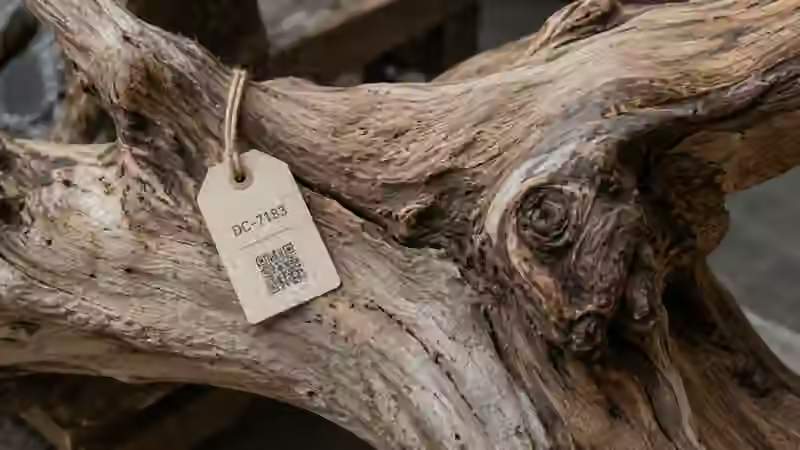
Explore the Journal by question
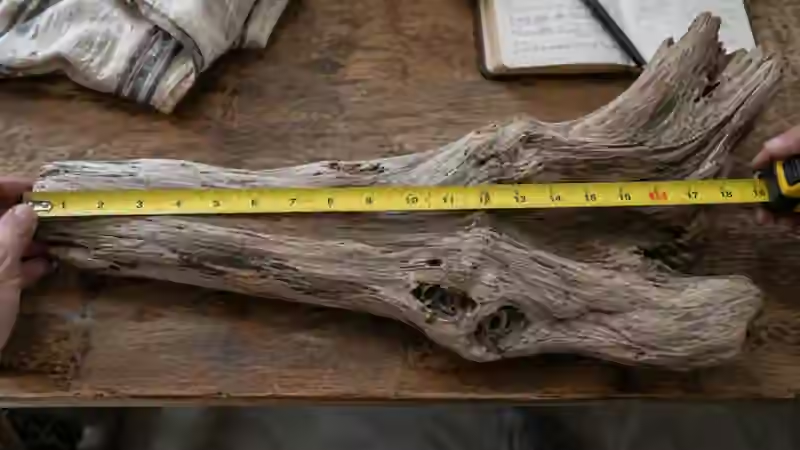
Why measurements are only the beginning.
Length and height matter. They still do not tell you where the visual mass sits, how an opening reads, or which orientation makes the form feel settled in its space.
READ THE GUIDE →One natural form. Four ways to think about placement.
Start with negative space.
Use the wood to direct the eye without filling every gap. Look for passages, plant pockets and a clear visual path through the composition.
READ NOTE →Use height without closing the scene.
Branches can carry the composition upward. Leave enough open structure for plants, mist and shadow to remain visually distinct.
READ NOTE →Plan access before decoration.
Begin with the points you still need to reach. A strong silhouette matters, but so do clear paths for routine cleaning and enclosure access.
READ NOTE →Let silhouette carry the piece.
Outside an enclosure, the empty space around the wood becomes part of the composition. Step back and judge the outer contour first.
READ NOTE →Start with the questions that do not expire.
Form, placement, scale and orientation remain useful long after a single piece has moved on.
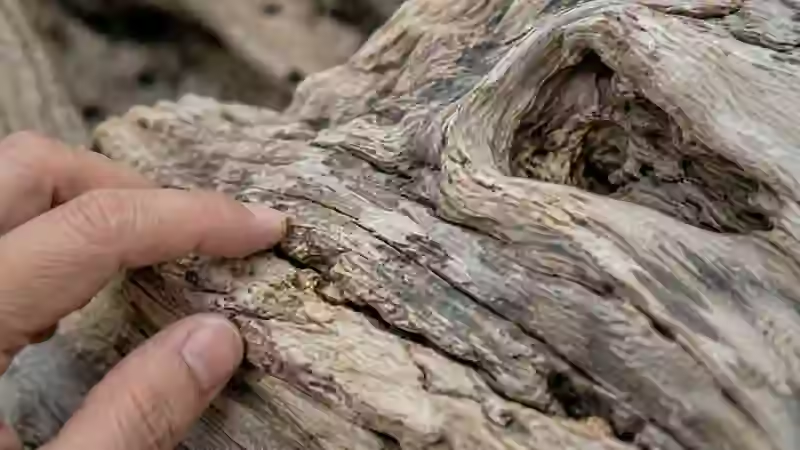
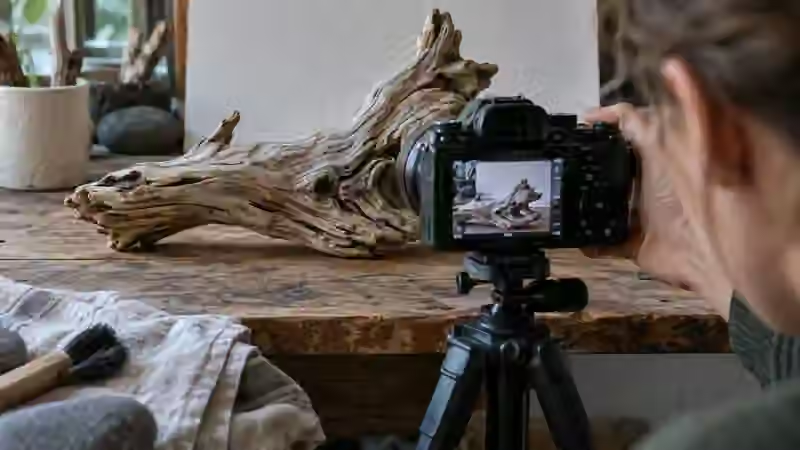
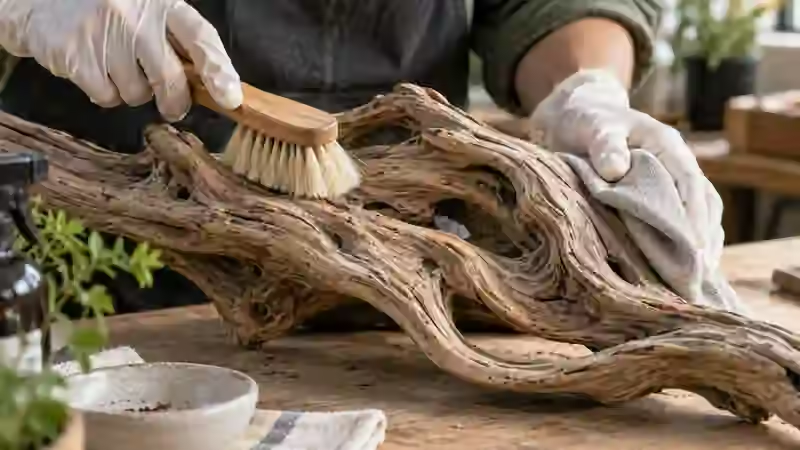
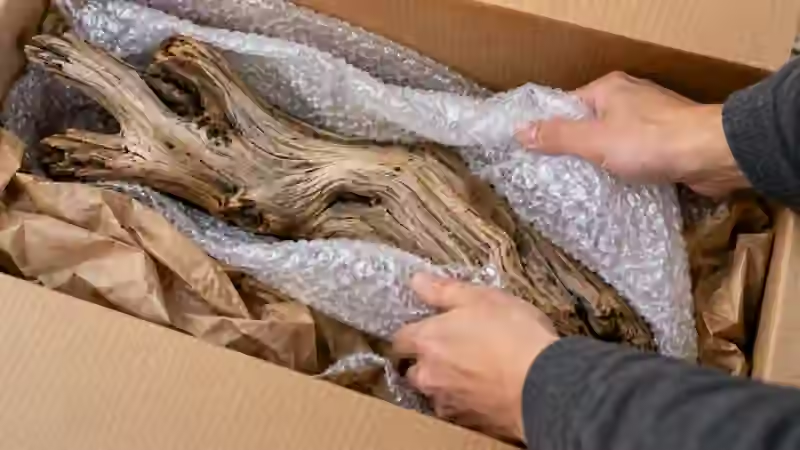
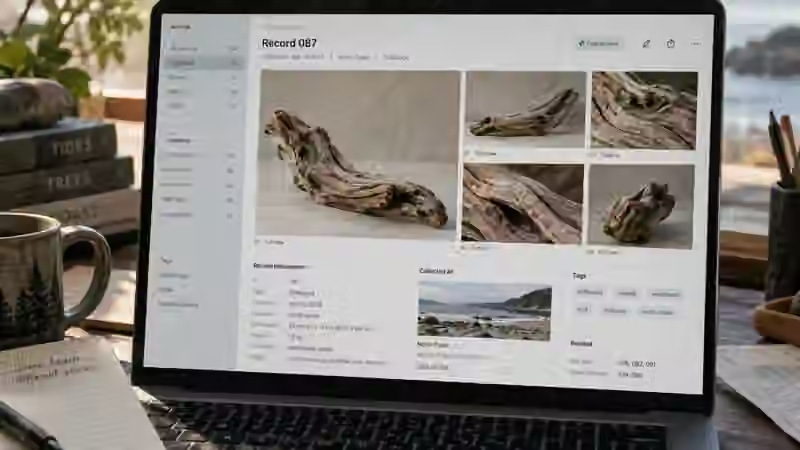
The piece changes as it moves through our hands. The record should not.
Field notes, in order.
Learn the form. Then find the exact piece.
Use the Journal to understand what you are looking for. Use Form Study when you want help narrowing the field, or browse the current pieces when you are ready to compare exact forms.