01
1. Begin with the outer contour
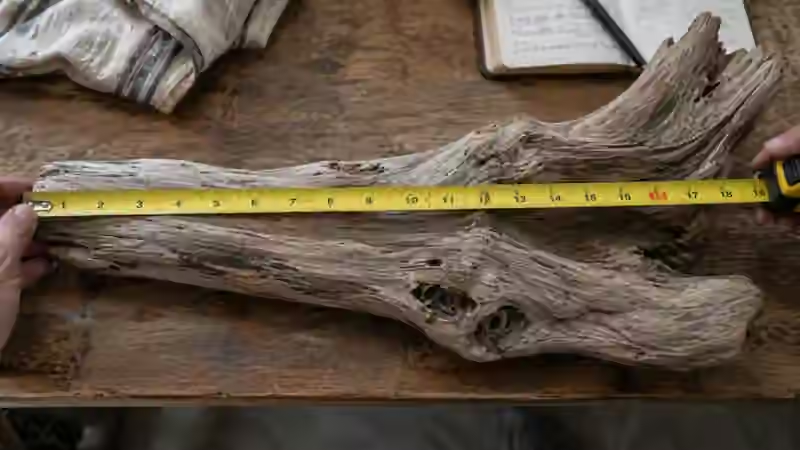
Ignore the small details for a moment. Trace the silhouette from one end to the other. Is it low and spreading, tall and directional, compact, arched, open or irregular? This first read tells you more about the piece's role in a composition than the grain does.
02
2. Find mass, openings and direction
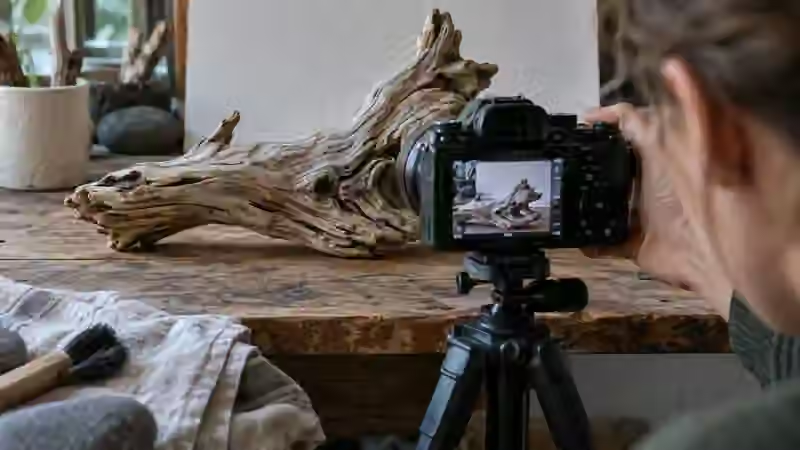
Next, locate the heaviest visual area and the largest opening. Then follow the main branch directions. These three observations explain why a form may feel balanced, leaning, expansive or enclosed.
03
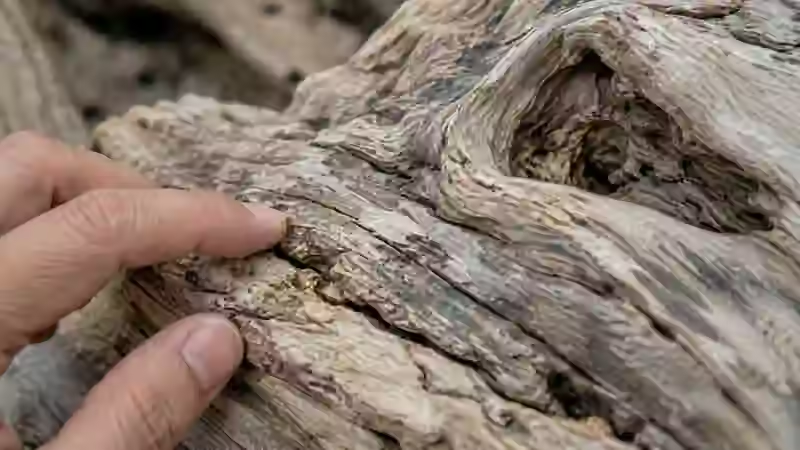
3. Inspect texture last
Texture matters, especially at close range, but it should not hide the larger structure. Once the silhouette and mass work for the intended space, surface character can become the final layer of comparison.