01
Physical fit is the first filter
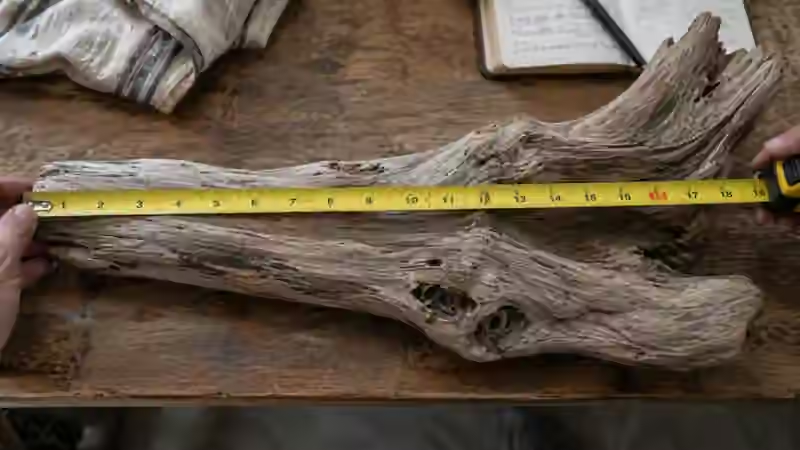
Length, width and height are essential because a piece must physically fit. Use them to eliminate forms that cannot work in the available space before making aesthetic comparisons.
02
Presence depends on density and reach
After fit is confirmed, compare how the material occupies the measured box. A dense stump can feel larger than a longer branch structure because more of the silhouette is solid. A sparse piece can reach far while leaving most of the visual field open.
03
Footprint and presence answer different questions
Footprint asks how much base area the object needs. Presence asks how strongly it occupies the view. Both matter, but treating them as the same thing is one of the easiest ways to misjudge a one-of-one form online.