A distinct form
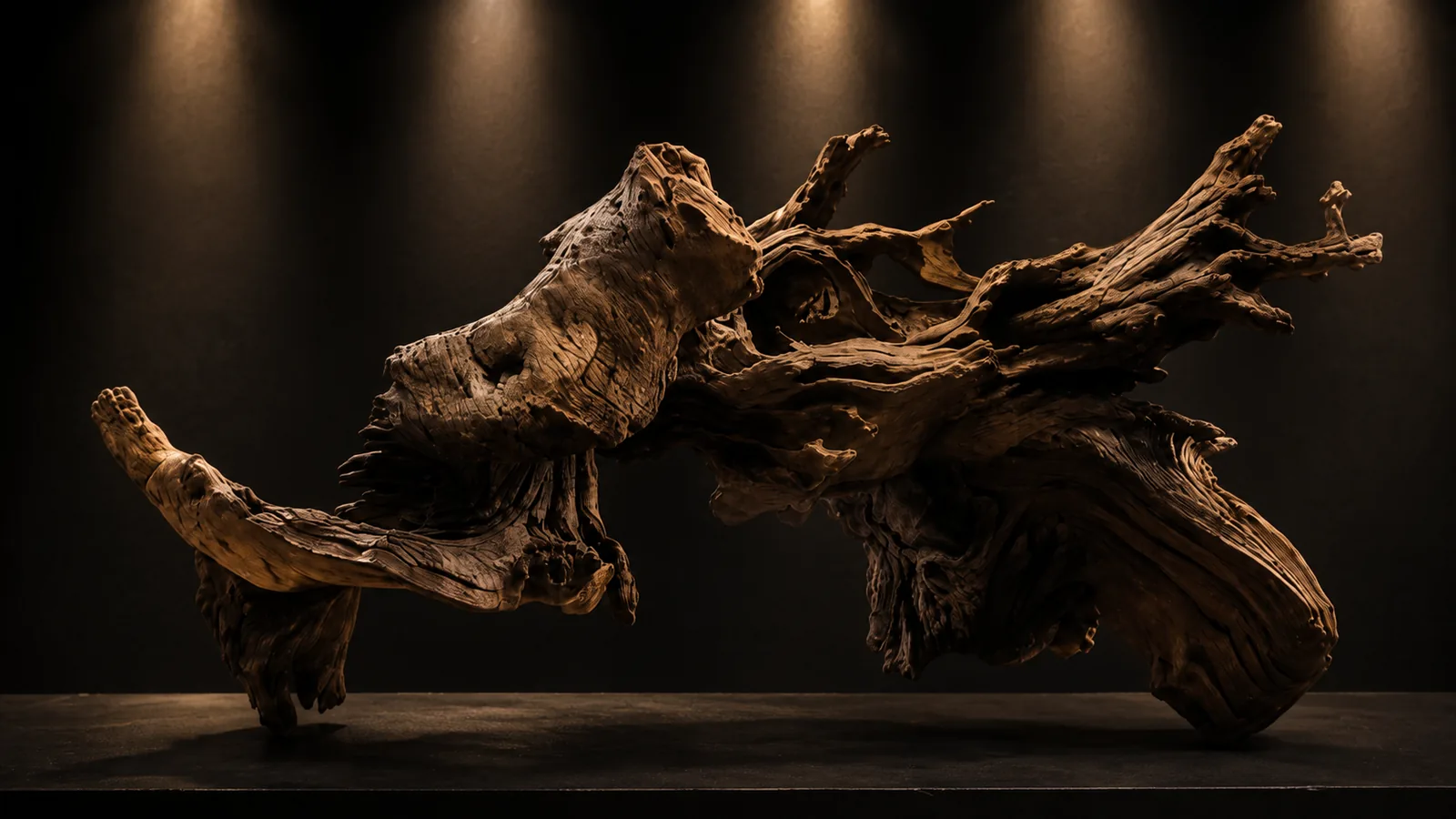
The silhouette, openings, mass or branching should be legible enough to judge as an individual object—not as an interchangeable material unit.

Natural forms remain irregular. DRIFT CURIO is built to make that irregularity easier to judge: one exact piece, one identity, and enough visible context to understand what is actually being considered.
How a piece enters the Archive ↓Selection is not a promise that nature has become uniform. It is a decision that the exact object can be shown, described and evaluated with enough clarity to stand on its own.
The silhouette, openings, mass or branching should be legible enough to judge as an individual object—not as an interchangeable material unit.
Visible cracks, cavities, cuts, edges and irregularities must be capable of being photographed and described without disguising what the piece is.
Measurements, weight, orientation and visual context should help a customer understand the physical presence of the exact piece before making a decision.
The point at which the piece enters the Archive should be explicit enough that later handling, condition and preparation records can stay connected to the same identity.
The Archive should reduce ambiguity before purchase—not erase the irregularity that makes the object worth choosing in the first place.

A crack does not need to be hidden to make a piece desirable. A cavity does not need to be renamed to make it easier to sell. A branch does not need to be forced into a perfect orientation.
The curator's job is to preserve the identity of the exact form while making its observable facts easier to read: dimensions, condition, orientation, preparation and scale context.
The object is allowed to stay difficult. The information around it should not be.
Read the silhouette, openings, mass, edges, branching and visible condition before deciding how the piece should be described.
Identity, measurements, condition and preparation belong to the same object. The record should make later evidence easier to reconcile, not harder.
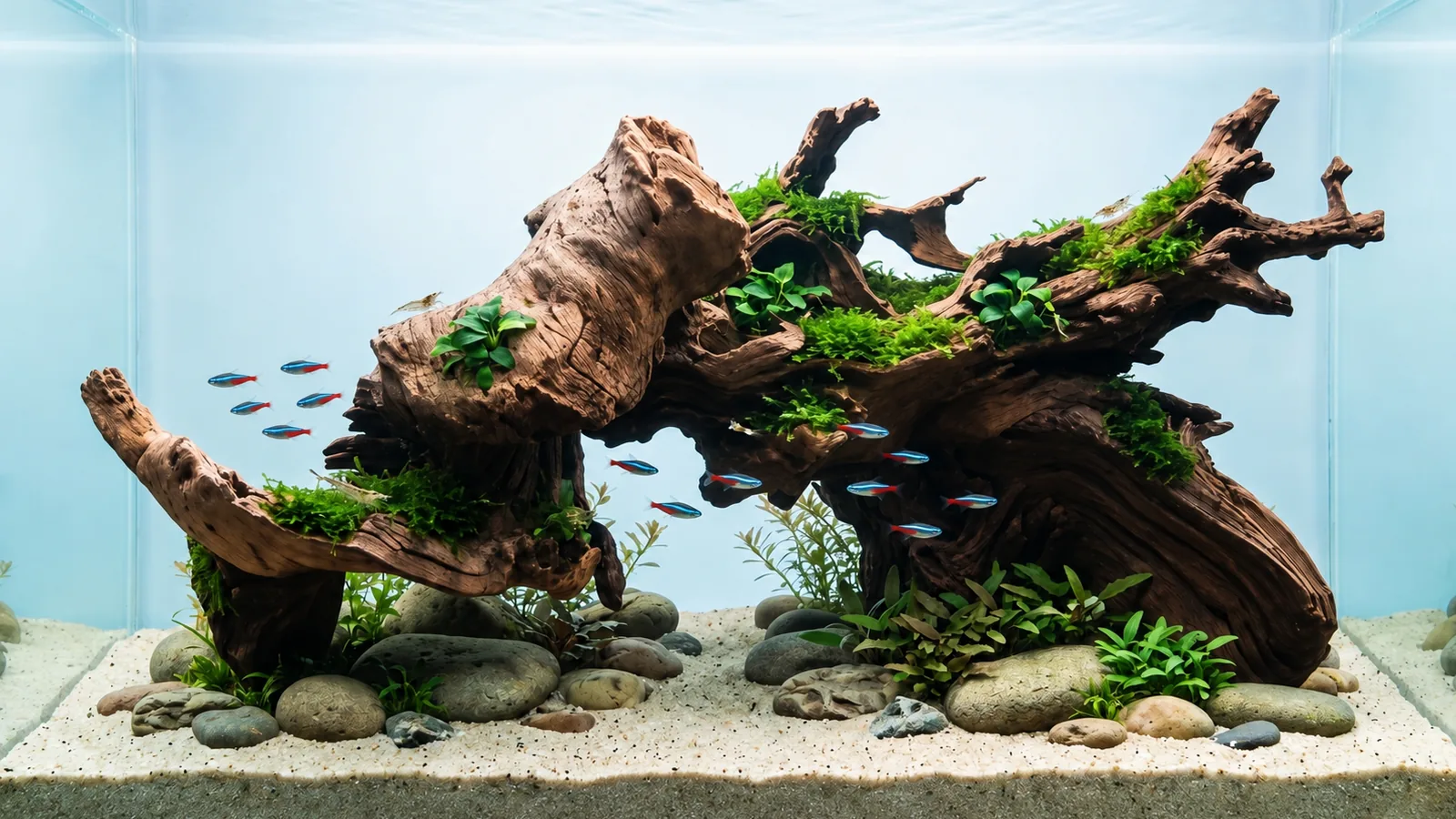
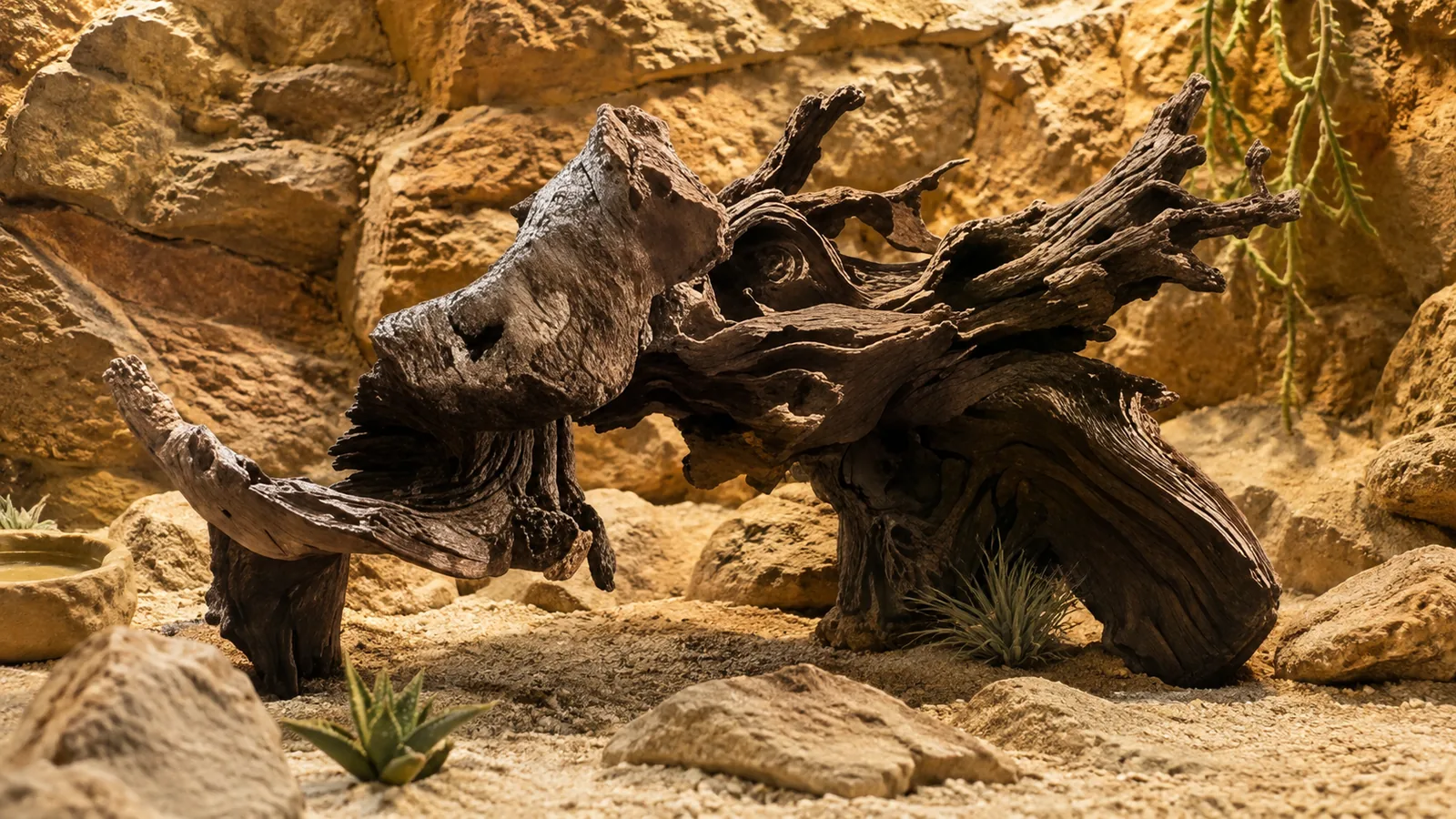
Scale, orientation and reference imagery can clarify how a form reads in space without pretending to predict a customer's final installation.
Reference scenes are a way to study visual presence—not a promise of compatibility, safety or a final result. The same exact form should remain traceable across every interpretation.
 01
 02
 03
 04
If a source detail is not supported by the record, it should not become part of the story simply because it sounds more compelling.
Irregular edges, cracks, cavities and asymmetry belong to the assessment when they are present. Clarity comes from disclosure, not cosmetic language.
A visual study can show proportion and presence. It should not manufacture animal safety, fit, durability or installation outcomes that have not been established.