Cleaning and reshaping are different actions
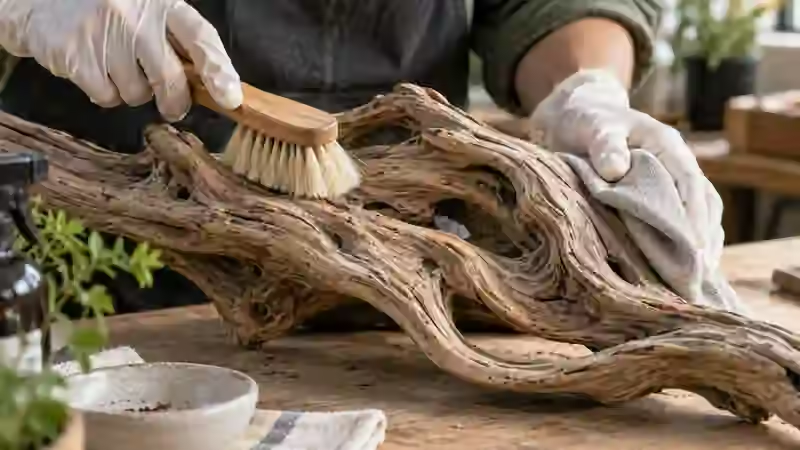
The process shown here is light surface cleaning with a brush and cloth. The goal is to remove loose material that obscures the surface, not to carve a new silhouette or manufacture a different form.
That distinction is important because the object customers evaluate should remain visually continuous with the object being documented.
Weathering remains part of the form
Natural texture, cracks, color variation and irregular edges can remain visible after loose surface material is removed. Cleaning should not be described as erasing the history visible in the surface.
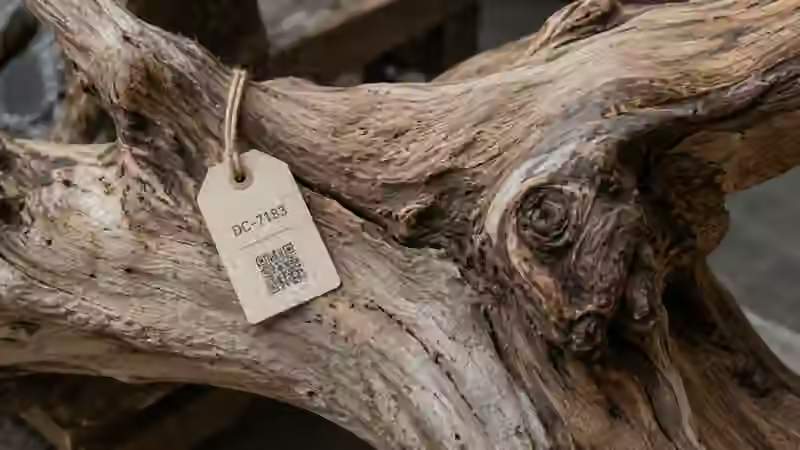
The record should show continuity
Earlier and later views are useful when they help a reader understand what changed. We avoid inventing an exact treatment history when it is not recorded; the Journal explains the visible process while exact-piece evidence remains tied to its own verified record.